Transform Your Home With Professional Roofing Protection Solutions for Longevity and Protection
Homeowners commonly fail to appreciate the importance of protective roofing. This indispensable treatment can greatly improve a roof's longevity and security from environmental conditions. By applying a expert-applied coating, roofs gain a durable barrier that protects against sun damage and prevents water seepage. However, understanding the various types of roof treatments and their execution is vital. What should homeowners consider before investing in roof coating services? The key points lie ahead.
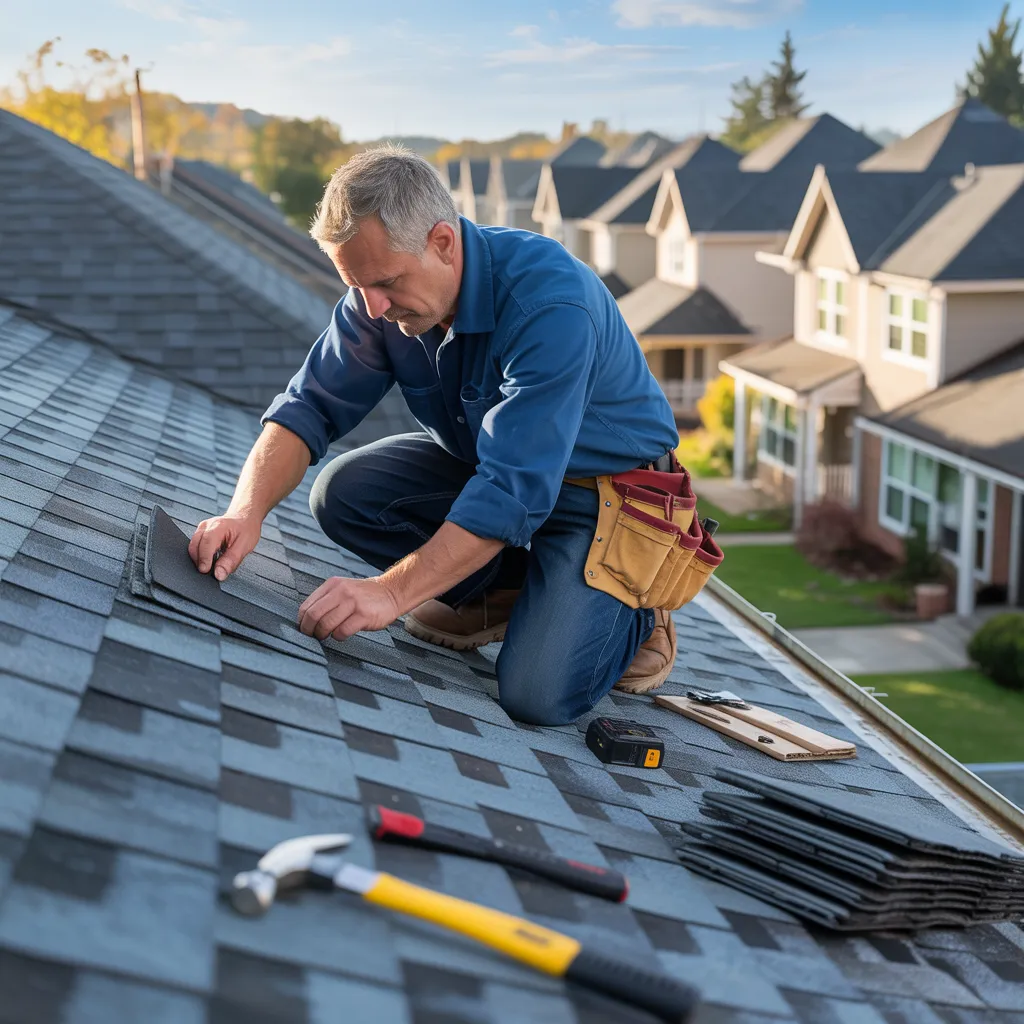
Grasping Roofing Protection and Its Importance
Roof coating creates a protective layer that strengthens the resilience and life expectancy of roofing systems. This coating functions as a wall against environmental factors such as UV radiation, moisture, and extreme temperatures. By reflecting sunlight, roof coatings can reduce heat soaking up, generating decreased energy expenses and better indoor comfort. Additionally, they contribute to preventing the decline of roofing materials, which can be caused by prolonged exposure to rain and snow.
Recognizing the importance of roof coating requires recognizing its function in preserving the structural integrity of a building. It mitigates the likelihood of leaks and water damage, guaranteeing that the underlying materials remain intact. Moreover, roof coatings can be used to various roofing types, making them flexible solutions for homeowners. Overall, investing in roof coating is a proactive approach to prolonging the life of a roof and lowering long-term maintenance expenses.
Primary Benefits of Skilled Roof Coating Options
Selecting expert roofing coating solutions delivers many benefits that strengthen the protective features of roof structures. One key benefit is the enhanced durability of the roof, as premium coatings offer an additional layer of defense against harsh weather conditions, UV rays, and potential leaks. This boosts the lifespan of the roof material, minimizing the need for expensive repairs and replacements.
Moreover, professional application ensures uniform and thorough coverage, which is critical for peak performance. Specialists have the proper equipment and expertise to detect current problems and address them effectively, preventing future complications.
In addition, roof coatings can enhance energy efficiency by redirecting solar heat, generating lower cooling costs. This not only favors homeowners financially but also furthers environmental sustainability. Ultimately, professional roof coating services ensure sustained protection and peace of mind, making them a valuable investment for any property owner.
Different Kinds of Roof Coatings Available
When reviewing roof coatings, property owners encounter a variety of options suited to specific needs and conditions. Among the most common types are acrylic coatings, known for their flexibility and UV resistance, making them ideal for areas with intense sunlight. Silicone coatings offer excellent waterproofing capabilities and are protected to mold and mildew, while also being environmentally friendly. Polyurethane coatings deliver durability and abrasion resistance, often chosen for commercial properties due to their strength. For those seeking a reflective solution, reflective roof coatings boost energy efficiency by lowering heat absorption. Finally, asphalt-based coatings serve as a budget-friendly option for older roofs, offering a protective layer against the elements. Each type of coating has unique benefits, allowing property owners to select the most suitable option based on their roof's material, climate, and desired longevity.
The Roofing Membrane Application Process
Applying a roof coating entails a systematic approach to assure excellent adhesion and durability. The process initiates with a careful assessment of the roof’s surface to spot any damage or repair needs. Following that, the roof is cleaned scrupulously to clear away dirt, debris, and any prior coatings that could obstruct adhesion. This step is crucial, as a clean surface promotes the coating sticks effectively.
After the roof is prepared, any cracks or seams are sealed to prevent leaks. Then, the protective coating is applied using either spray, roller, or brush methods, ensuring even coverage across the entire surface. Typically, multiple coats are recommended for best protection, with adequate drying time between applications.
Finally, the application is inspected for consistency and any missed spots. This meticulous procedure enhances the roof's longevity and performance, providing homeowners with peace of mind regarding their property.
Safeguarding Your Roof Post-Sealant for Long-Lasting Protection
To ensure the longevity and effectiveness of a newly coated roof, regular maintenance is necessary. Homeowners should read this article conduct routine inspections to identify any indications of wear, damage, or accumulation of debris. Quickly addressing small issues can avoid more serious problems down the line. It is recommended to clear the roof regularly, removing foliage, dirt, and other debris that can hold moisture and cause deterioration.
Furthermore, ensuring proper drainage is essential; clogged gutters can cause water to accumulate, potentially damaging the roof coating. Homeowners should also be mindful of the surrounding environment, trimming overhanging branches that might scratch or harm the coating.
Applying a soft cleaning mixture during regular care can help preserve the integrity of the sealant without causing harm. By sticking with these upkeep routines, house owners can enhance the durability and protective qualities of their coated roofs, ensuring long-term performance and assurance.
Common Questions Asked Often
How Frequently Should I Recoat My Roof Coating?
Roof coating should typically be reapplied every 5 to 10 years, depending on the material, climate conditions, and wear. Regular inspections can help determine the right time for reapplication to maintain ideal protection.
Can Roofing Sealant Be Applied in Winter?
Roof coating may be installed during winter, but circumstances need to be optimal. Heat should ideally remain above the manufacturer's recommended minimum, and surfaces should stay free of moisture to assure proper adhesion and performance of the coating.
Might Roof Coating Determine My Home's Coverage?
Roof coating may impact a home's coverage, depending on the manufacturer's guidelines. Homeowners should consult their warranty papers or reach out to the manufacturer to understand any potential effects before moving forward with applying coating.
Does Roof Coating Pose a Threat to Animals and Plants?
Roof coating is usually safe for animals and vegetation once completely set. It is prudent to keep pets and plants away during the coating procedure to steer clear of potential temporary contact to noxious gases and chemicals.
Where Can I Source a Quality Roof Coating Contractor That Is Dependable?
To locate a reliable roof coating contractor, one should request referrals from friends or family, read online reviews, verify credentials, and request estimates from multiple contractors to compare offerings and costs effectively.